Skin Burns And Their Treatment
Skin Burns And Their Treatment
Before applying a burn treatment, the burning agent must be stopped from inflicting further harm, for example, fires are extinguished, and clothing, especially any that is smouldering (such as melted synthetic clothes), covered with hot tar, or soaked with chemicals must be removed immediately.
Home care includes maintaining the burn clean to prevent infection. Also, many patients are given analgesics, for at least a few days. The burn can be covered with a nonstick bandage or with sterile gauze. The gauze can be eliminated without sticking by first being soaked in water.
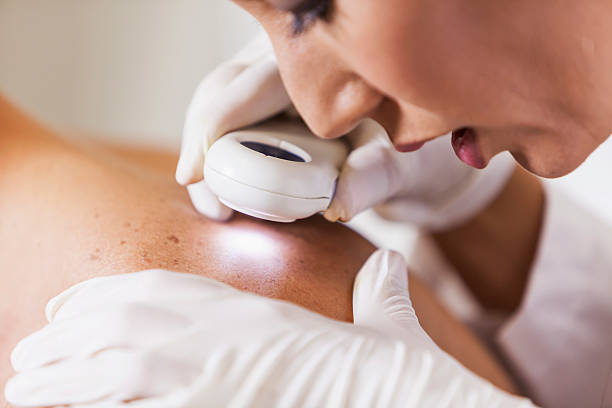
Hospitalization is sometimes needed for optimal care of burn injuries. Burns that keep a person from doing essential daily actions, like walking or eating, make hospitalization necessary. Severe burns, deep second-and third-degree burns, burns occurring in the very young or the very old, and burns involving the hands, feet, face, or genitals are commonly best treated at burn centres. Burn centres are hospitals that are specially equipped and staffed to care for burn patients.
Burn Scars - Their Classification
Superficial Minor Burns: The burn is carefully cleaned to prevent infection. If dirt is deeply embedded, a doctor can administer analgesics or numb the area by injecting a local anaesthetic and then scrubbing the lesion with a brush.
Deep Minor Burns: The burn may need evaluation at a hospital or doctor's office, possibly as often as daily for the first few days.
For this kind of burn commonly skin graft may be needed. Most skin grafts replace damaged skin. Other skin grafts help by temporarily covering and protecting the skin as it cures on its own. In a skin grafting procedure, a patch of healthy skin is taken from an unburned area of the person's body (autograft), from another living or dead person (allograft), or from different species (xenograft)usually pigs because their skin is very similar to human skin. The skin graft is surgically sewn over the damaged area after removing any dead tissue and ensuring the wound is clean. Autografts are forever. Allografts and xenografts, however, are rejected after 10 to 14 days by the person's immune system. Artificial skin has been created recently and can also be used to replace damaged skin. Burned skin can be returned anytime within several days of the burn.
Severe Burns: Severe, life-threatening burns need immediate care.
Keeping the burned area clean is crucial because the injured skin is easily infected.
Because grievous burns take a long time to cure, sometimes years, and can cause disfigurement, the sufferer can become depressed.
Skin burns and other delicate conditions can now be cured using a natural skin care product [https://www.neohospital.com/dermatology] designed to regenerate your skin and eliminate scars and other imperfections.

Comments
Post a Comment